For U.S. Healthcare Professionals Only

CASCADE RESOURCES

Search Content

Resource Categories
Resource Categories

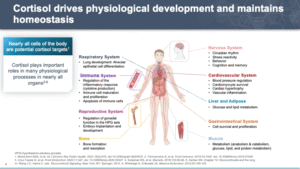
What is Cortisol

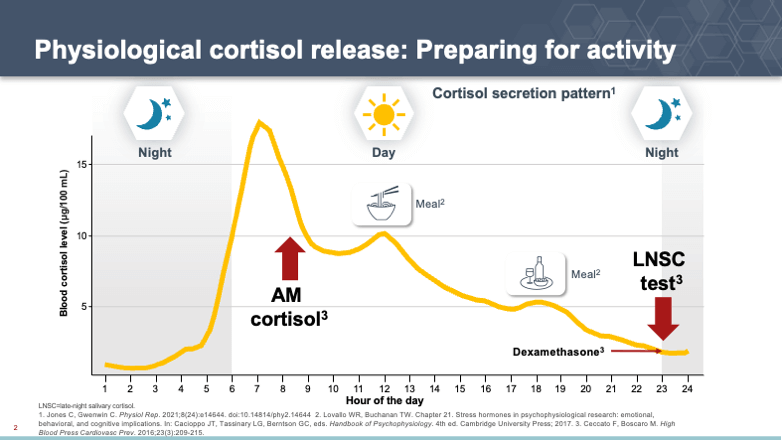
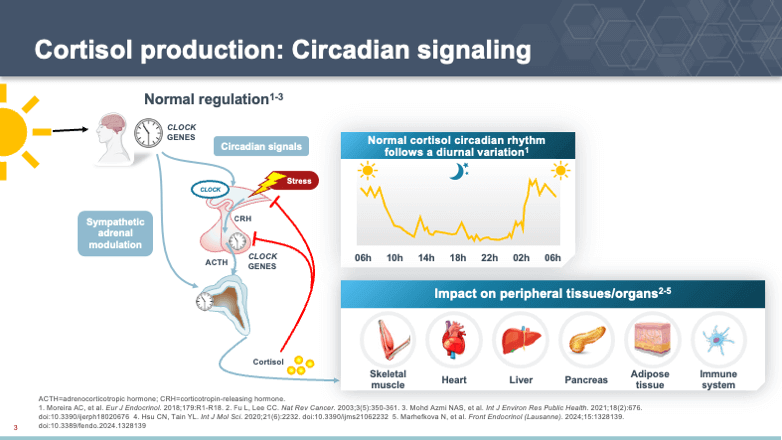
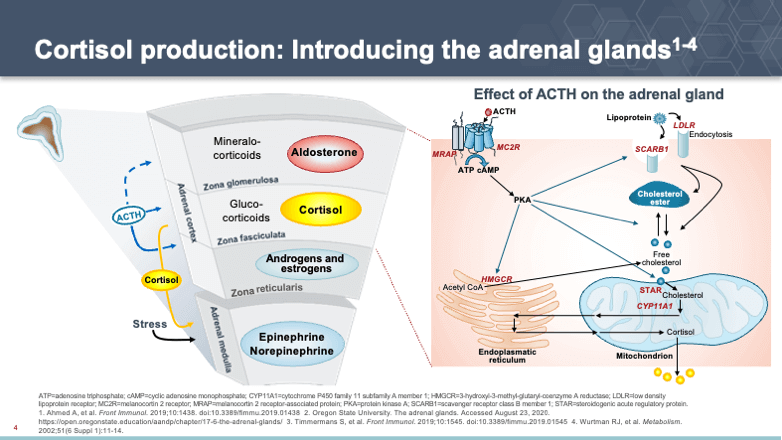
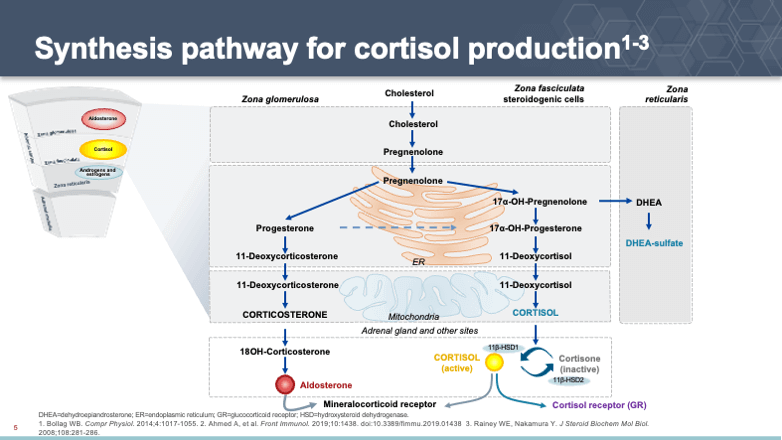
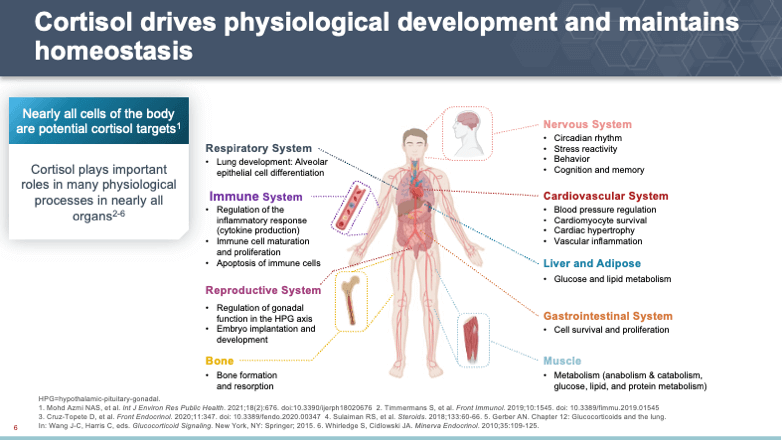
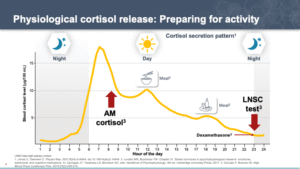
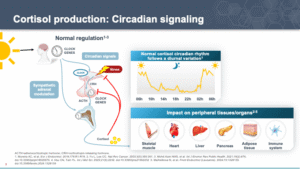
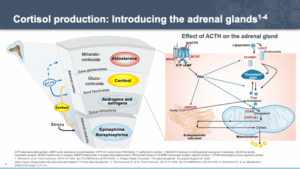
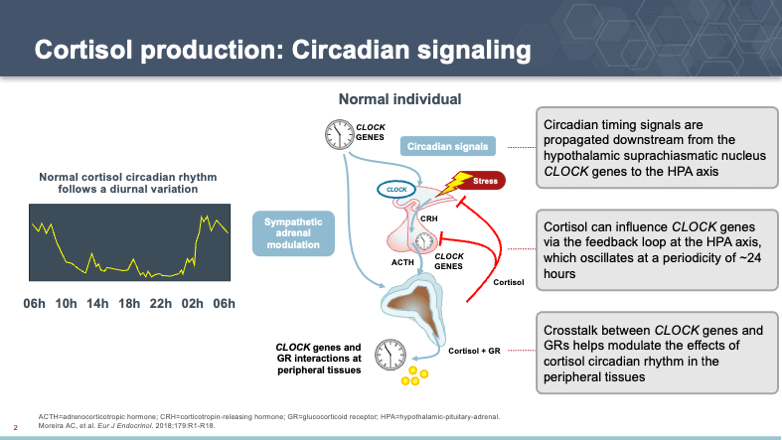
An overview of cortisol’s role in normal physiology, its circadian rhythm, and its regulation by the HPA axis. Shows how cortisol impacts metabolism, immune response, blood pressure, and overall homeostasis.
Resources:

What is Cortisol

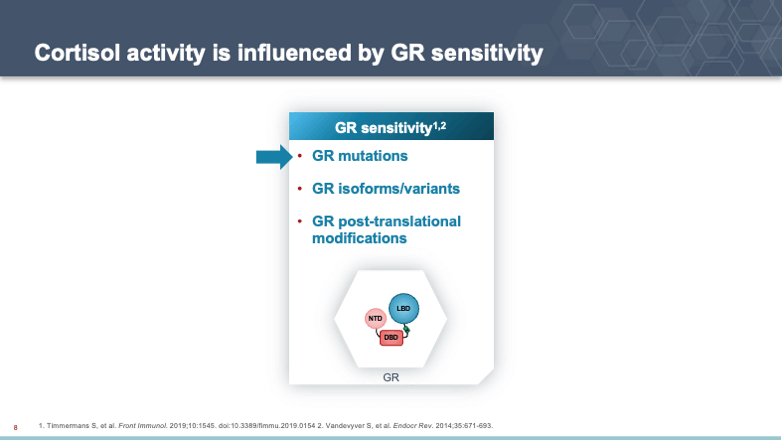
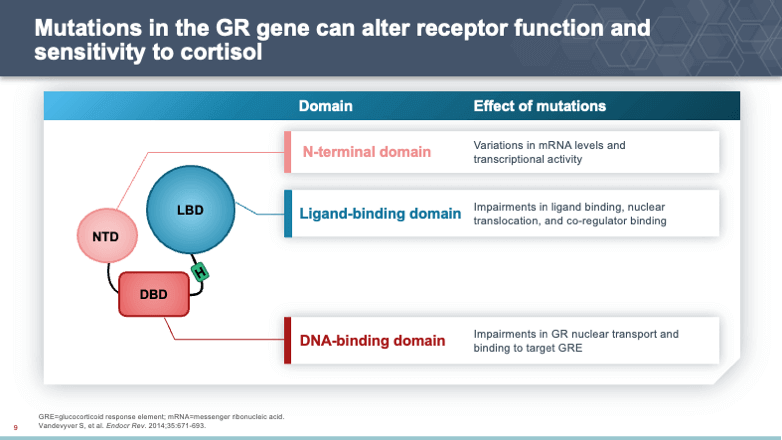
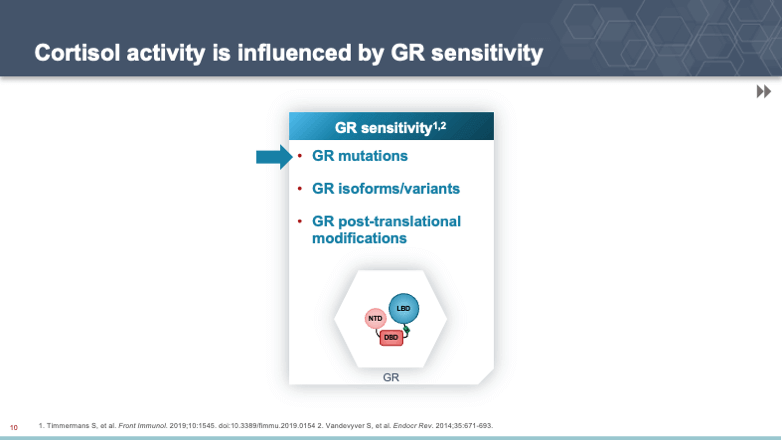
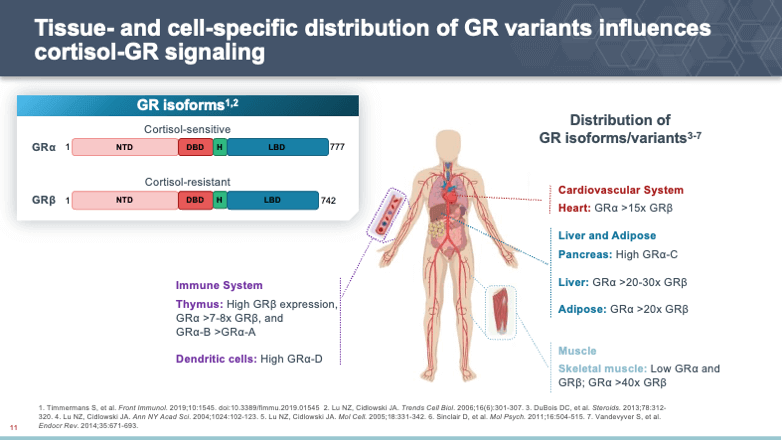
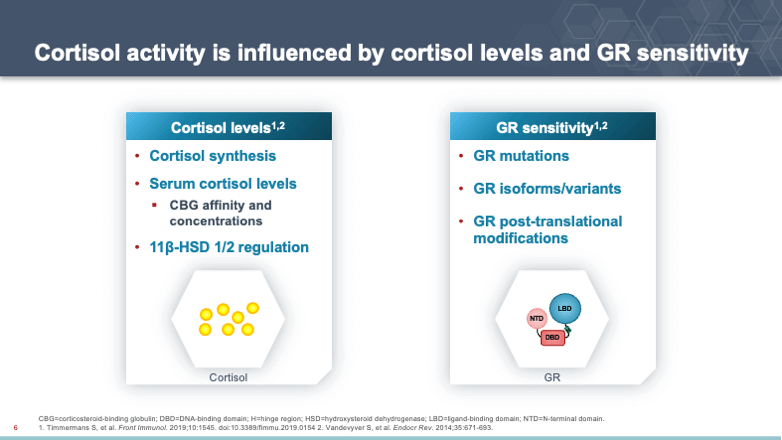
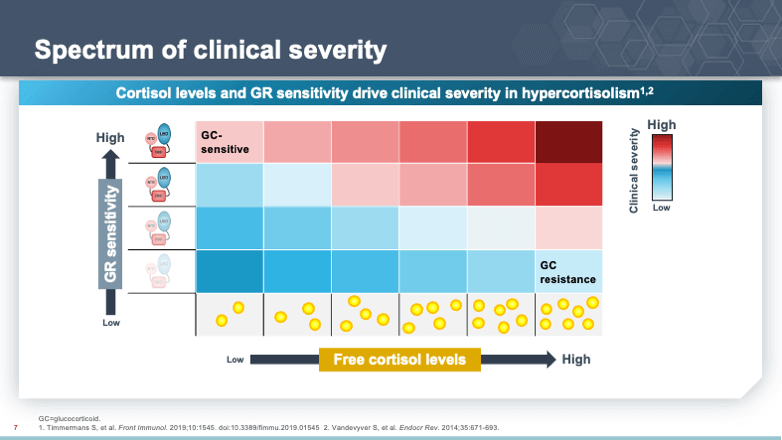
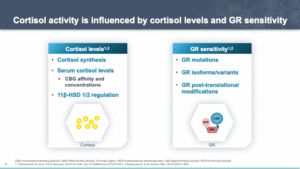
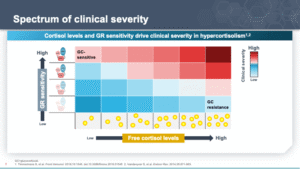
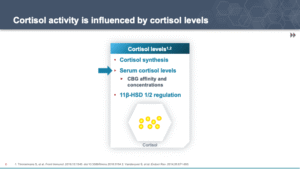
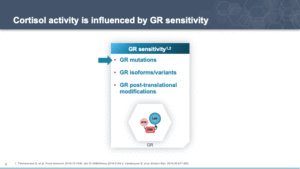
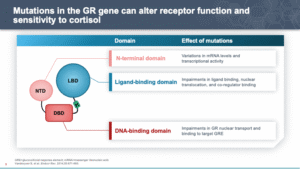
Understanding Cortisol – Glucocorticold Receptor Signaling

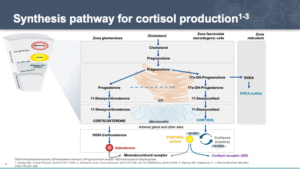
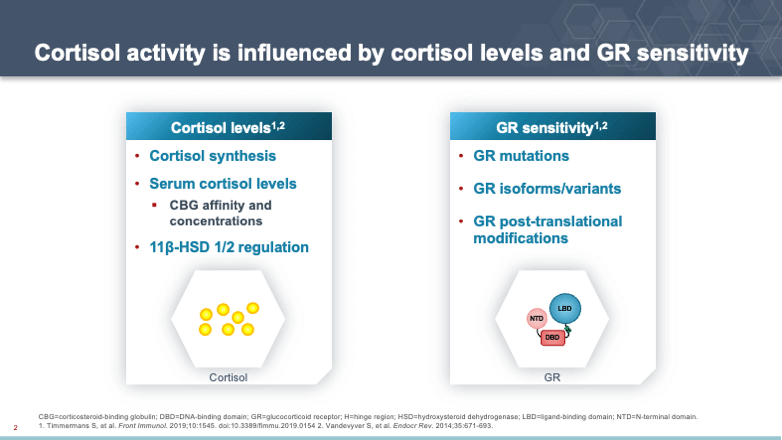
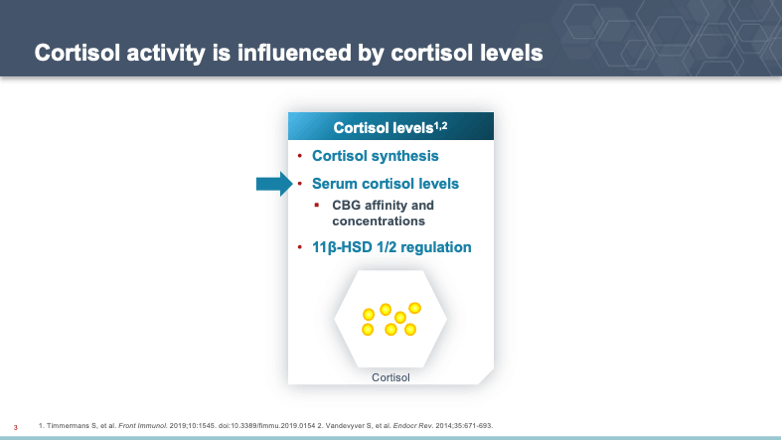
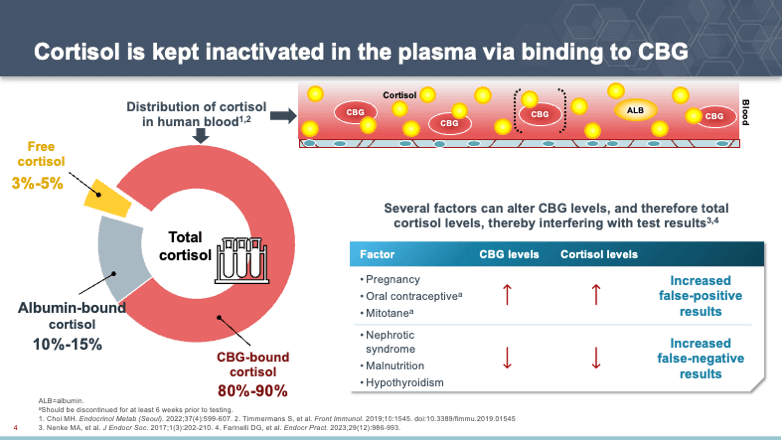
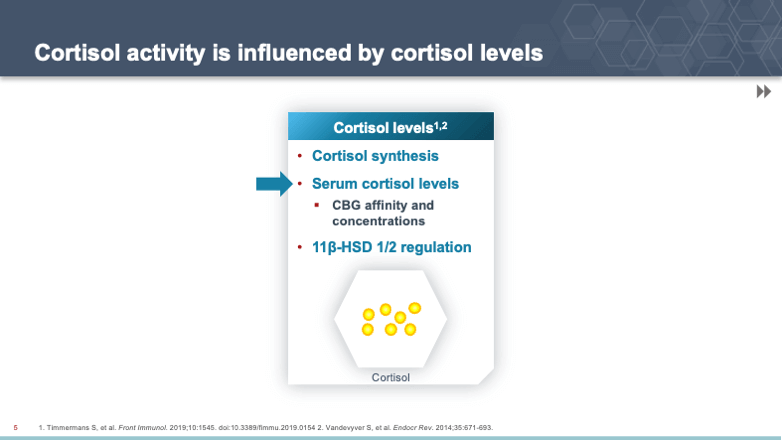
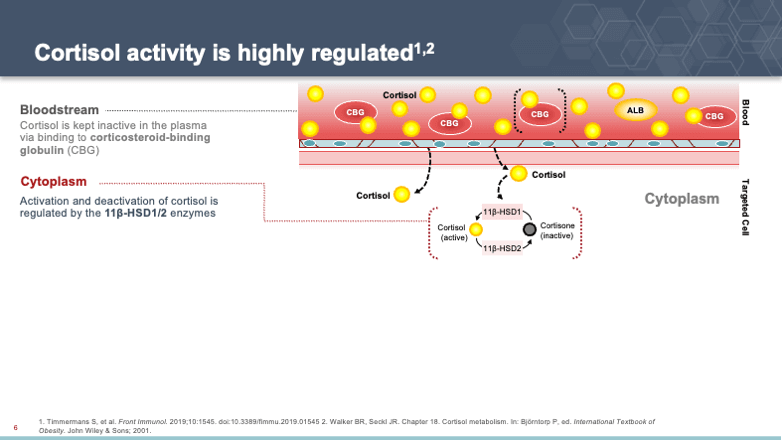
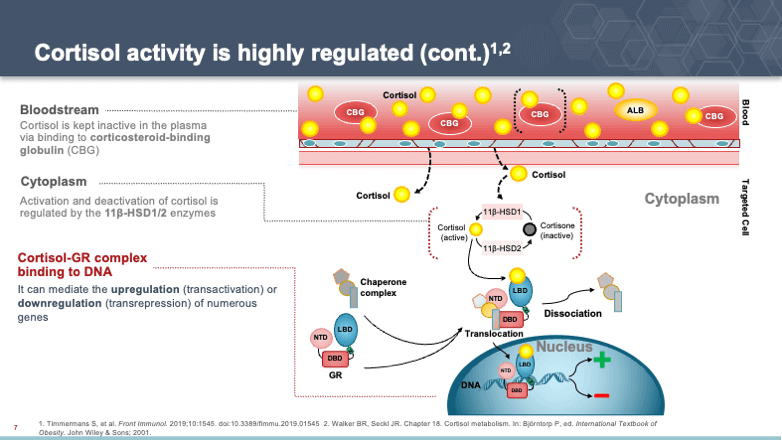
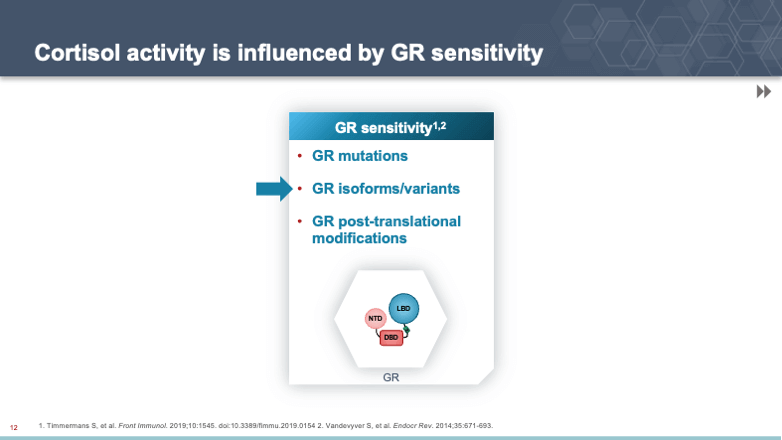
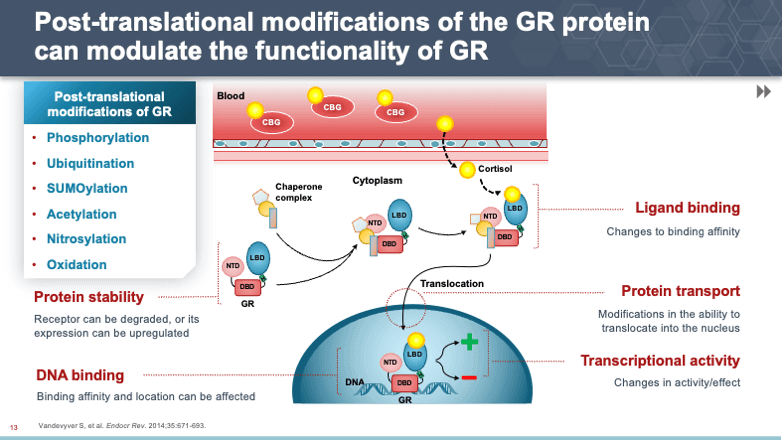
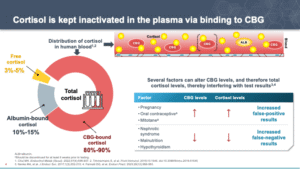
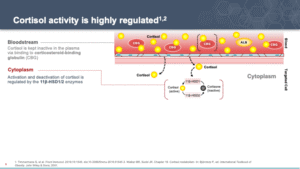
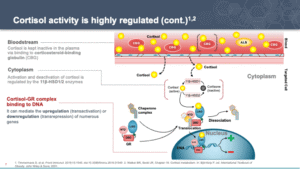
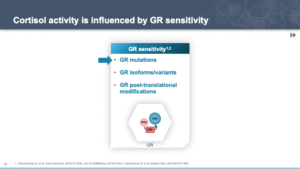
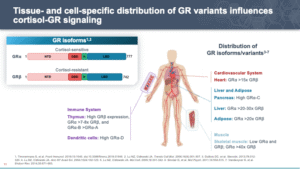
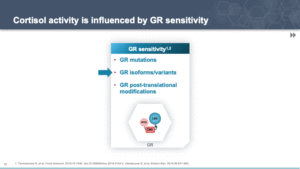
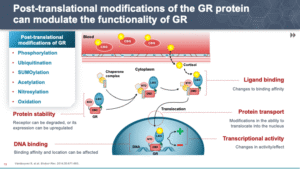
Explains the cellular and molecular biology of cortisol signaling and cortisol bioavailability. Includes glucocorticoid receptor binding and activity, enzymes such as 11β-HSD, and what these mean for cortisol testing and disease patterns.
Resources:

Understanding Cortisol – Glucocorticold Receptor Signaling

What Causes Hypercortisolism?

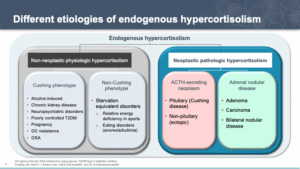
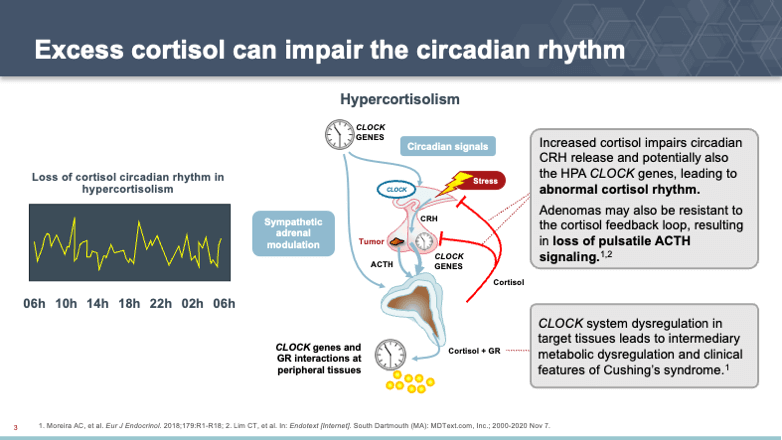
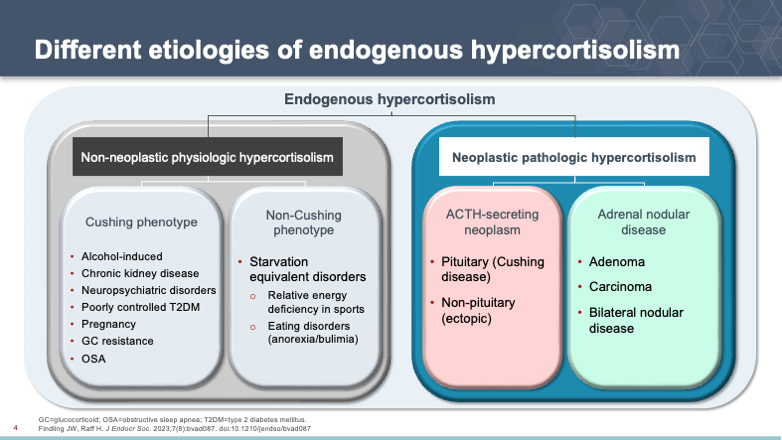
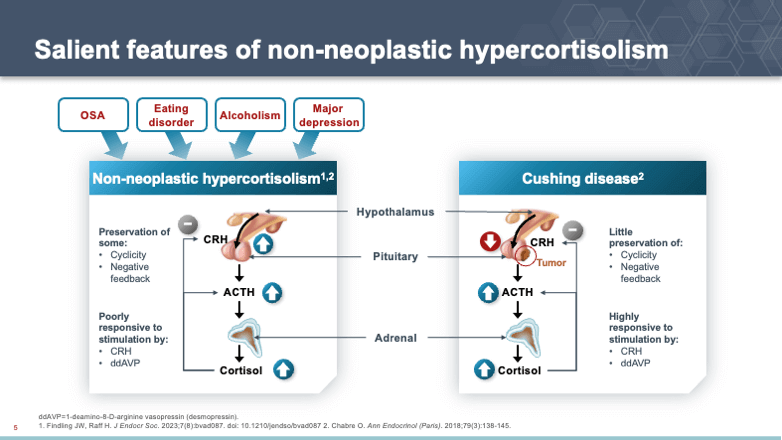
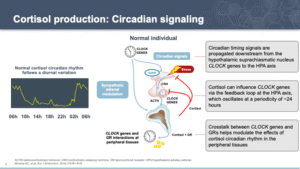
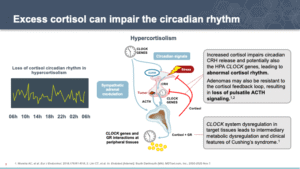
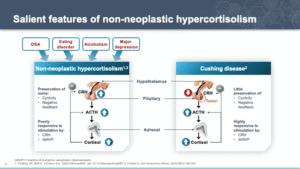
Covers the main causes of hypercortisolism including pituitary, adrenal, and ectopic neoplasms, as well as physiologic cases such as depression, stress, or alcohol use. Also discusses circadian disruptions and malfunction of feedback loops that prevent proper regulation.
Resources:

What Causes Hypercortisolism?

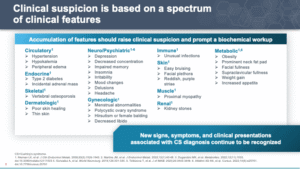
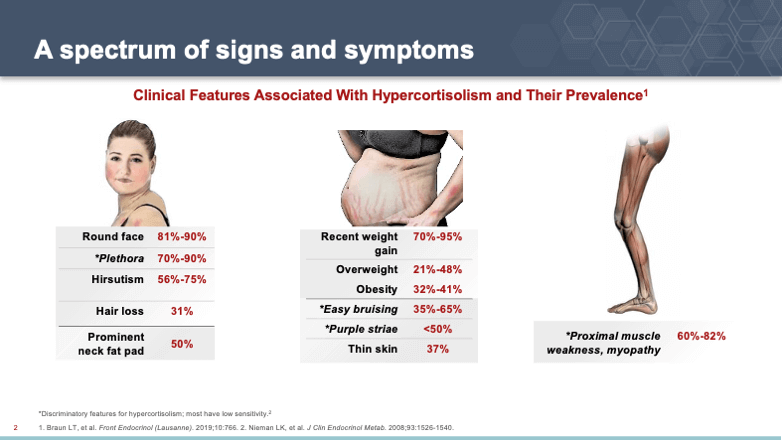
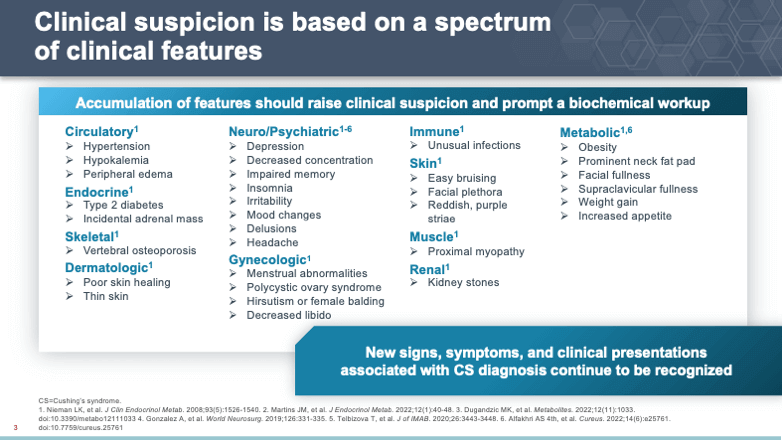
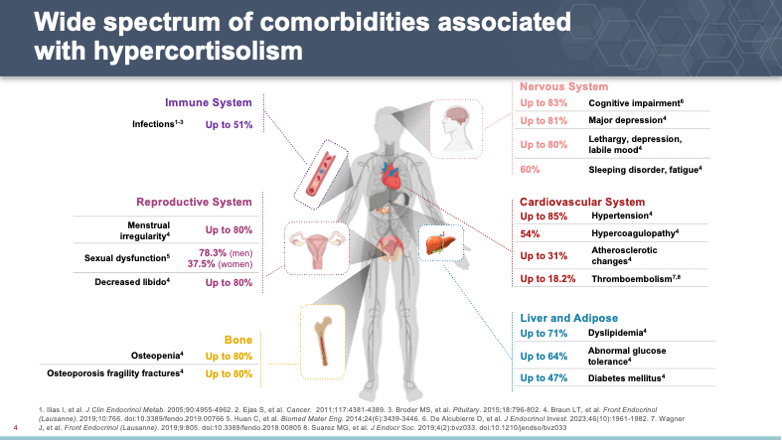
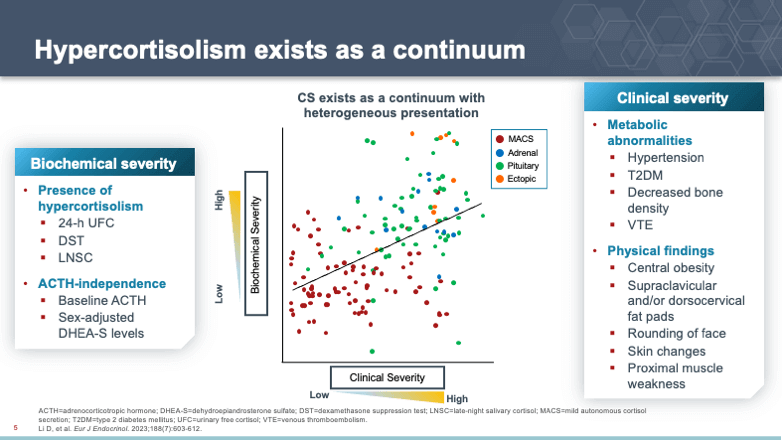
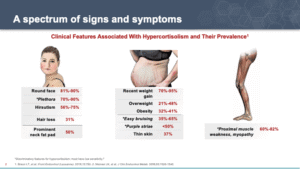
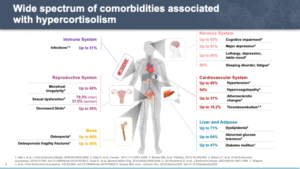
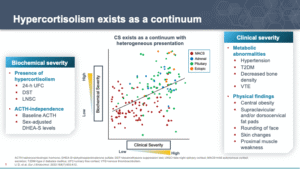
Clinical Features of Hypercortisolism

Reviews the signs and symptoms seen across mild to severe cortisol excess. Discusses how multiple organ systems are affected and how those overlapping conditions should raise suspicion.
Resources:

Clinical Features of Hypercortisolism

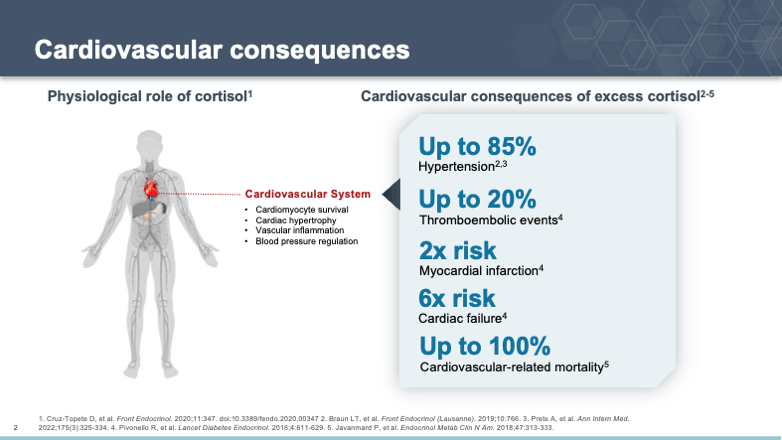
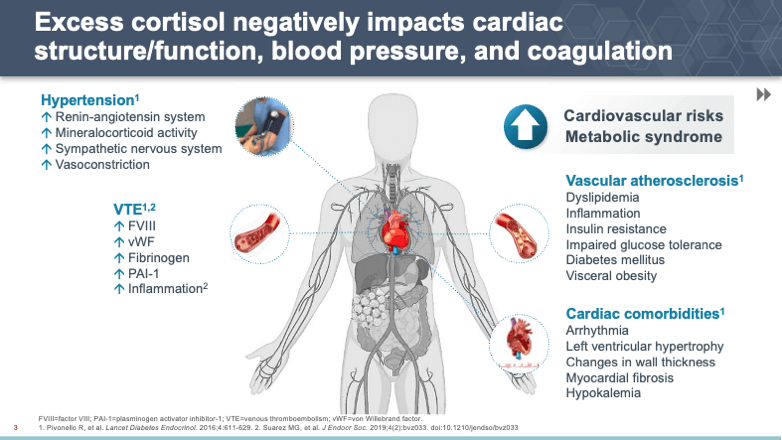
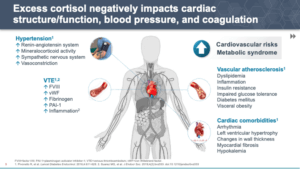
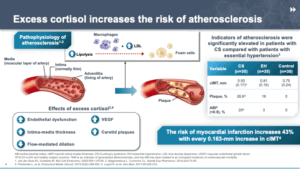
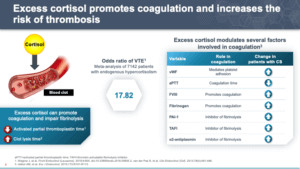
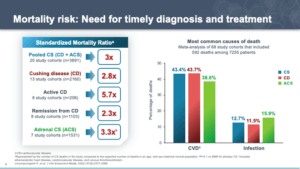
Negative Impact of Hypercortisolism on Cardiovascular Health

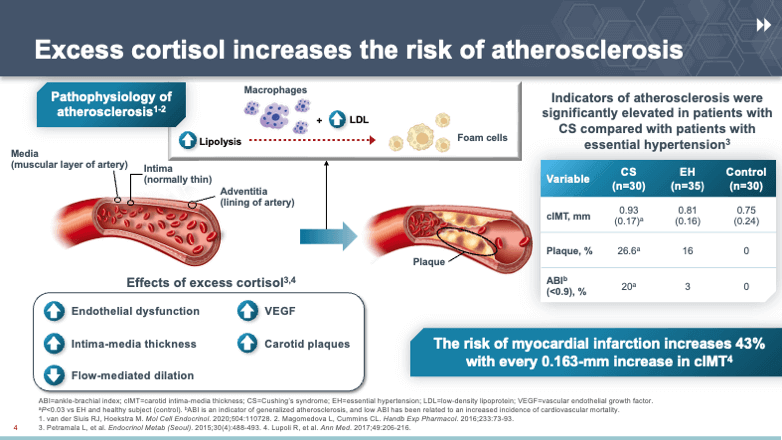
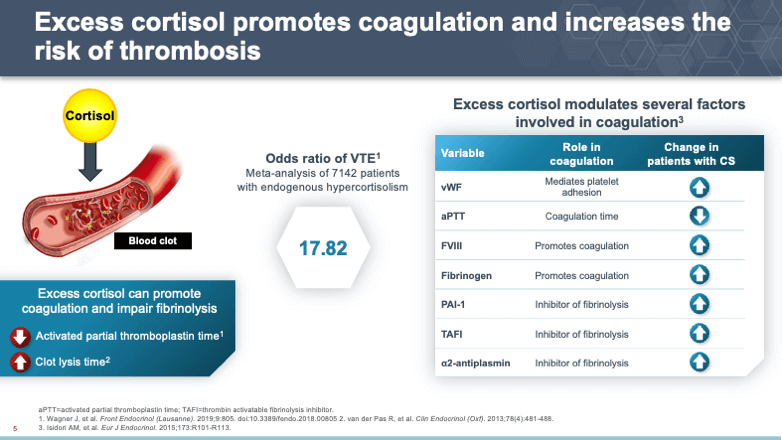
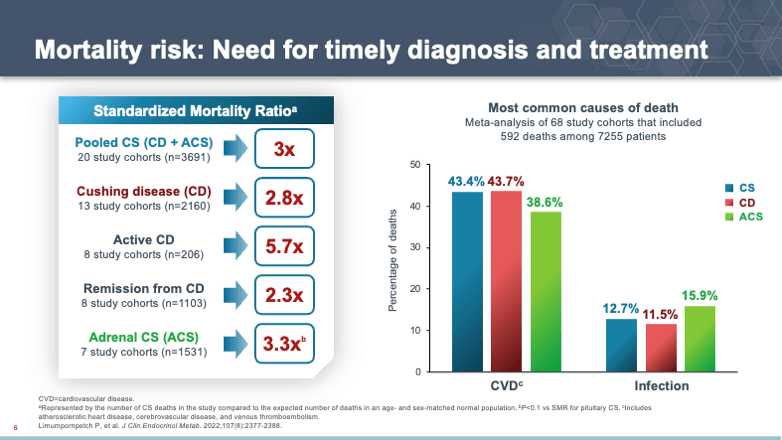
Shows how cortisol drives hypertension, atherosclerosis, and clotting risk. Focuses on data linking hypercortisolism to higher cardiovascular mortality and endothelial dysfunction.
Resources:

Negative Impact of Hypercortisolism on Cardiovascular Health

Metabolic Dysregulation in Hypercortisolism

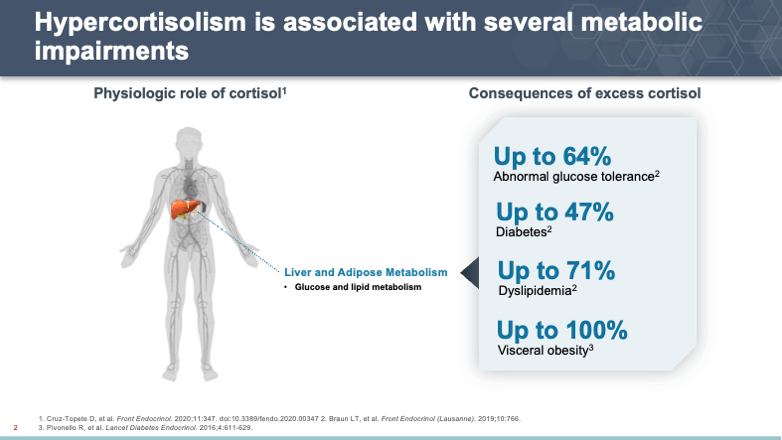
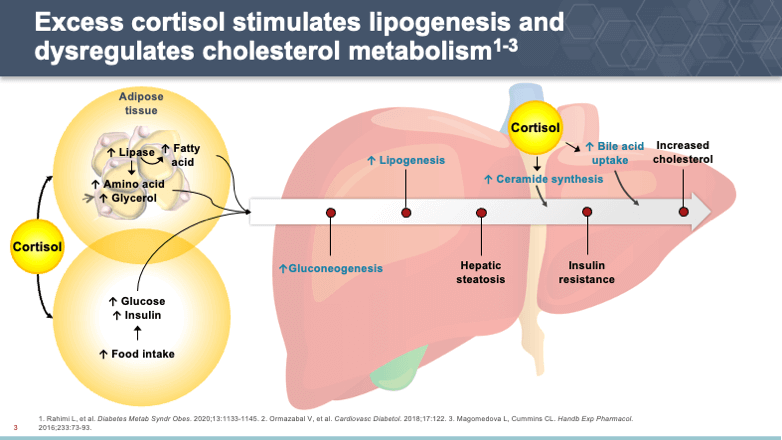
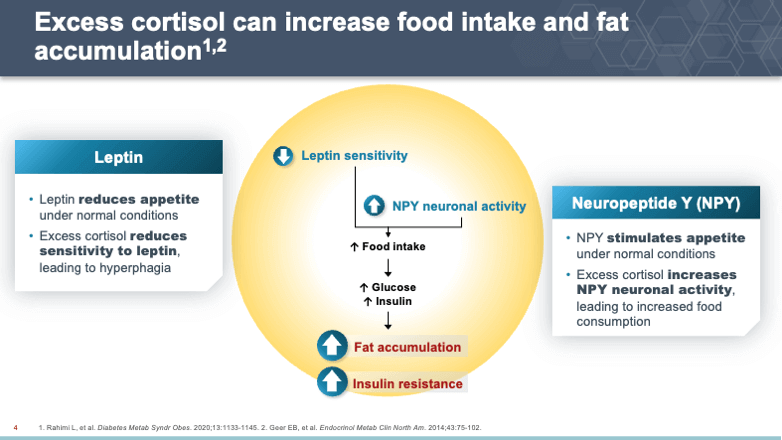
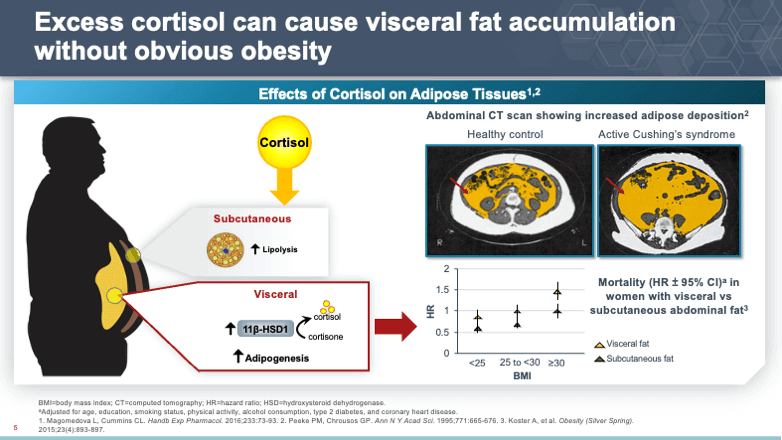
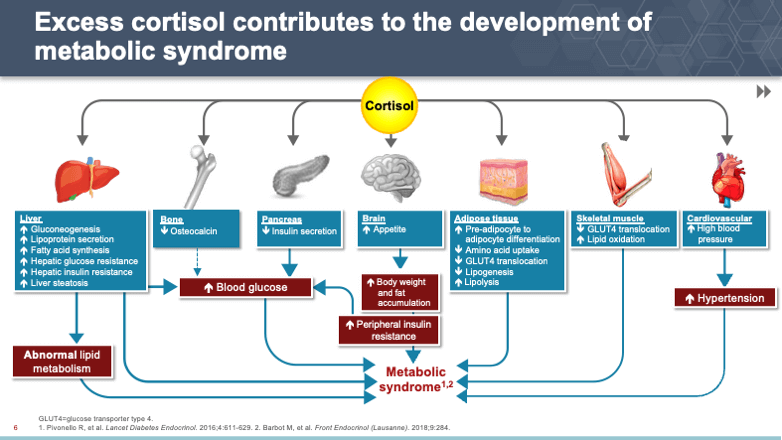
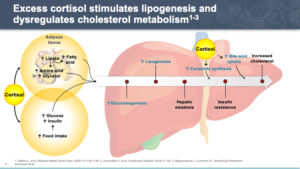
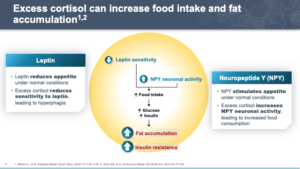
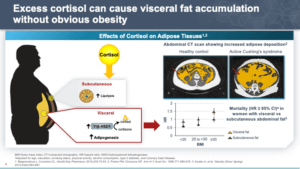
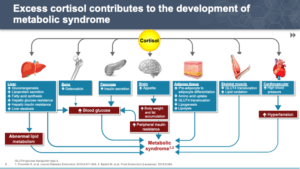
Focuses on how cortisol disrupts glucose and lipid balance, which in turn causes insulin resistance and visceral fat gain. Ties chronic elevated cortisol to weight issues, dyslipidemia, and cardiometabolic risk.
Resources:

Metabolic Dysregulation in Hypercortisolism